
Healthcare Coalition
AI in Healthcare
What's working, what isn't, and what to watch.

What's working, what isn't, and what to watch.

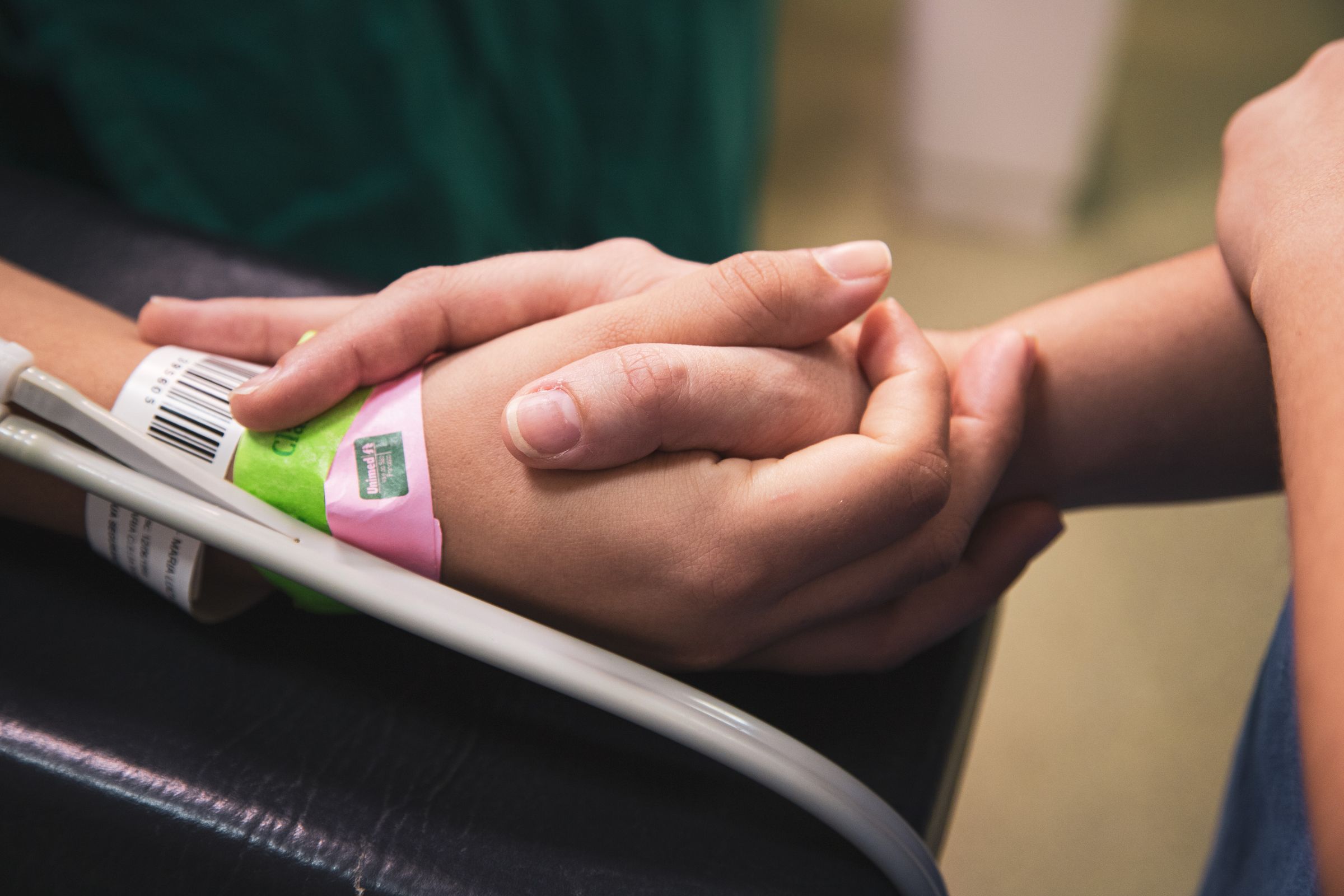
Your doctor gets fifteen minutes with you. Your insurance company sees you as a claim. Public health sees you as a dot on a chart.
Every step back loses the person.
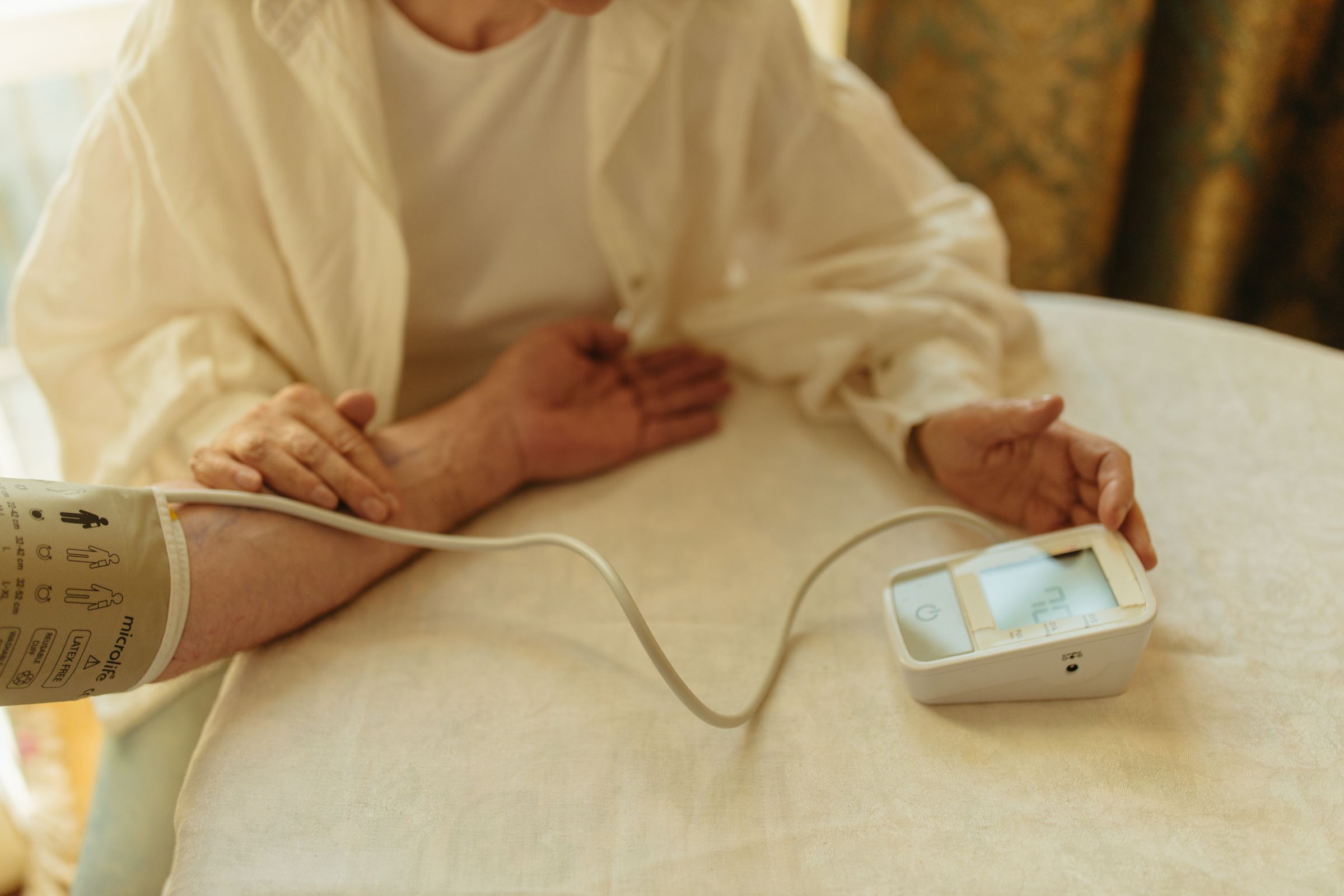
Devices like this one now send every reading straight to the care team, and AI watches the stream around the clock, flagging the moment something starts to drift.

AI now listens to the visit and writes the medical note itself. The measurable result is more of something we thought was gone for good:
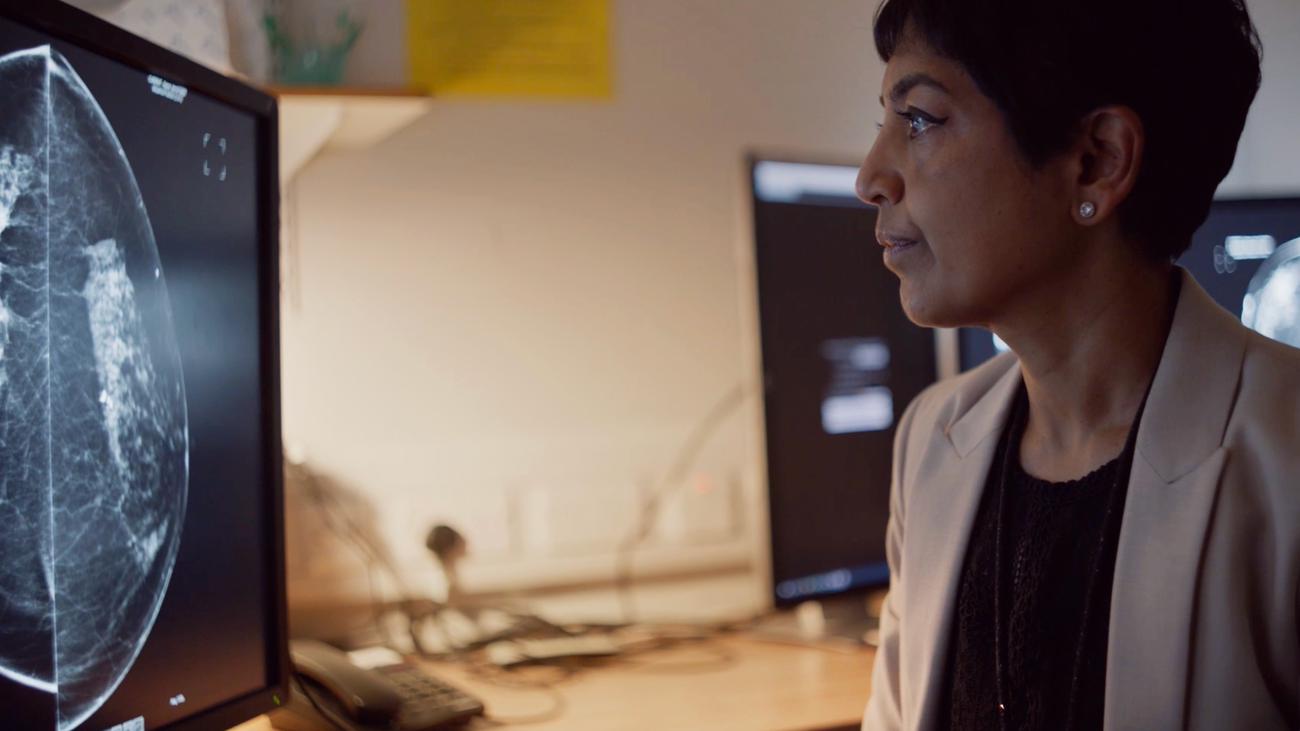
That's a real mammogram being read with AI. In a Swedish trial of 105,000 women, AI-first reading found more cancers with half the radiologist workload. And at Mayo Clinic, AI now spots the earliest signs of pancreatic cancer on routine scans.

Insurers pointed it at cost. ProPublica reported 300,000 claims denied in two months, and courts and state laws are now pushing back.
Watch: Medicare is piloting a supervised version through 2031, and Texas is one of the six pilot states.

Public health used to learn about outbreaks weeks late, from paper reports. Now AI reads emergency-room visits as they happen and spots a cluster while it's still one zip code.
And it finally speaks medical Spanish, which matters here more than almost anywhere.

Through DropDev I help organizations across the region put AI to work, in healthcare and well beyond it. Our healthcare venture, HealthAtlas, has been recognized nationally and locally, and you'll still find me in the community, on both sides of the border, asking people what they actually need.




Every study and source in this talk lives at healthtalk.dropdev.co/sources, along with what we're building next.
david.dropdev.co
That's me, my work, and the fastest ways to reach me. Or ask me something right now: